Europe’s Arctic Strategy: Ambition, Responsibility and the Test of Delivery
Europe’s greater strategic ambition must be measured through dependable partnerships, useful infrastructure and meaningful local participation.
Sources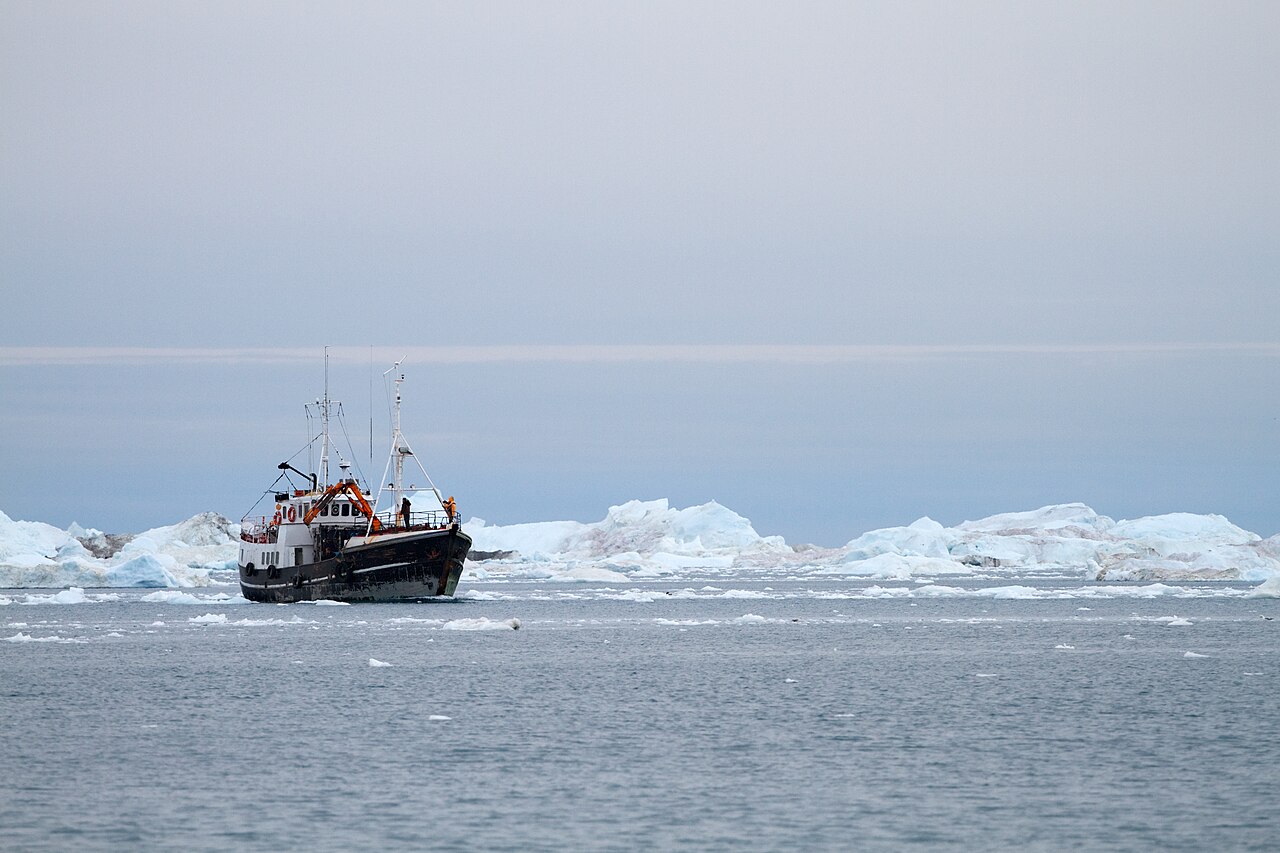
Europe’s new Arctic strategy makes a clear political claim: developments in the High North are inseparable from Europe’s future. Presented on 20 October by the European Commission and the High Representative, it places Arctic engagement within a broader discussion of security, economic resilience and international influence.
“The Arctic is not someone else’s frontier,” the Joint Communication declares. Its title, Europe’s Northern Neighbourhood: A New Strategy for the Arctic, signals a determination to bring the region closer to the centre of European policymaking.[2]
The question is what this greater ambition will deliver. Europe’s credibility will depend on whether its strategic interests translate into reliable partnerships, useful infrastructure and decisions that reflect the priorities of Arctic communities. A more prominent role brings greater responsibility for the consequences of European engagement.
What Has Changed?
The EU’s previous Arctic policy, published in 2021, already sought a peaceful, sustainable and prosperous region. Environmental responsibility, international cooperation and the wellbeing of its inhabitants were established concerns. The new strategy therefore builds on an existing agenda.[3]
What changes is the strategic emphasis. Writing for the Belfer Center, Aleksis Oreschnikoff describes a more explicit European position, connecting Arctic engagement with strategic autonomy and a clearer agenda for preparedness and operational capabilities. His assessment highlights a move towards defining how Europe intends to act, alongside what it hopes to achieve.[4]
This distinction matters. A policy can express support for cooperation without resolving who will organise it or provide the necessary resources. A strategy should make those choices more visible. Its usefulness depends on establishing priorities when objectives compete, budgets are constrained and partners disagree.
A Northern Neighbourhood
The Commission summarises its approach through four priorities: security, climate, economy and people. The Northern Neighbourhood framework would support joint projects, financing and regular political exchanges with partners, while complementing existing structures, including the Arctic Council.[1]
Such a framework could help connect decisions that otherwise remain divided between institutions and policy areas. Infrastructure investment, research cooperation and regional development often require different authorities to work towards a shared result.
Its value should nevertheless be assessed through the decisions it enables. Regular meetings can sustain political attention, but they also need clear purposes and follow-through. Partners should be able to identify which problems the framework helps solve, how priorities are agreed and where responsibility lies when progress stalls.
The language of neighbourhood also carries an obligation to listen. Geographic proximity does not imply identical interests, and closer cooperation must leave room for different political and economic choices.
Security and Cooperation
The Joint Communication identifies Russia’s war against Ukraine, its military posture and hybrid activities as central challenges. It also recognises the importance of continued pragmatic engagement with the United States. The Commission describes the EU’s security contribution as complementary to NATO.[1][2]
These relationships require a precise division of responsibilities. The EU’s contribution should be assessed through the capabilities and instruments it can bring to a particular problem, together with the work of national governments and allied institutions.
Kathleen Larkin and Jason C. Moyer, writing for the Atlantic Council, interpret the strategy as combining European ambition with anxiety about the wider strategic environment, including the direction of American policy. They welcome its technological and research initiatives while questioning whether some proposals risk institutional duplication.[5]
Their assessment raises a useful distinction between becoming more capable and simply becoming more visible. European engagement will strengthen regional security when it addresses gaps that partners recognise and establishes arrangements they can use.
Infrastructure That Works
The proposed Maritime Security Hub illustrates this challenge. Its first step would be an Arctic Cable Hub supporting the monitoring, protection and repair of submarine cables. The strategy also envisages stronger satellite monitoring and connectivity.[1]
The practical test extends beyond detecting a disruption. Who determines the response? Which organisation can mobilise repair capacity? How will essential services continue while damage is assessed?
The Atlantic Council authors specifically warn that the Maritime Security Hub could overlap with existing work by NATO and other organisations.[5]
Avoiding that outcome requires an operational purpose that participants understand. New arrangements should improve response times, clarify responsibilities or provide capabilities that are currently missing.
Civilian usefulness deserves equal scrutiny. An infrastructure project’s strategic designation does not explain whether residents can afford its services, whether local businesses can access it or who pays for maintenance. Those questions belong in project design from the beginning.
Climate and Economic Choices
The strategy supports critical raw materials projects while committing to environmental standards and Indigenous rights. This places resource development and environmental responsibility within the same policy framework.[2]
Bringing these objectives together does not eliminate tensions between them. A project may contribute to European supply security while creating difficult choices over land use, environmental protection and local development.
The appropriate response is transparent assessment. Strategic importance should be explained alongside expected environmental effects, economic assumptions and the distribution of benefits. Alternatives deserve consideration, including changes in project scale or location.
The same discipline should apply to expectations about Arctic transport. Policymakers should distinguish potential access from dependable commercial operation. Investment decisions need to account for uncertainty and long-term costs, rather than assume that a changing environment automatically creates a viable economic opportunity.
Europe’s environmental commitments will carry weight when they influence decisions about which projects proceed and under what conditions.
Research with Lasting Value
Among the proposed initiatives are OceanEye, intended to strengthen ocean observation, and an EU Polar Research Hub designed to improve coordination and access to scientific infrastructure.[1]
These initiatives should be judged by what they enable researchers and decision-makers to do. Better coordination could reduce unnecessary duplication and make observations more useful across institutions. It should also help identify where knowledge remains incomplete.
Scientific advice must retain room to challenge political expectations. Research may indicate that an investment requires redesign, that a risk has been underestimated or that available evidence does not support a preferred course of action.
The relationship between science and policy is strongest when those findings can change decisions. Supporting research therefore involves more than commissioning studies: it requires institutions willing to respond to their results.
Local Priorities and Greenland
The strategy affirms free, prior and informed consent and states that Greenland’s future is for its people to decide.[2]
These commitments provide an important standard for assessing implementation. Participation should occur while options remain open and before major assumptions become fixed through contracts, financing or political announcements.
Meaningful involvement also requires practical capacity. Communities need time, accessible information and the ability to obtain independent advice. Otherwise, a formal invitation to participate may offer limited influence over a technically complex proposal.
For Greenland and other Arctic partners, credible cooperation must accommodate choices that differ from European preferences. Respect for political autonomy becomes most consequential when interests diverge.
A dependable partnership should make disagreement manageable. Its strength lies partly in whether both sides can revise plans without placing the wider relationship in doubt.
Funding and Accountability
The Commission cites approximately €1 billion in cohesion support for 2021–2027 and around €100 million annually for polar research and innovation. These figures describe existing support; they should not be presented as entirely new funding created by the strategy.[1]
That distinction is essential to evaluating delivery. A proposed initiative, an allocated budget and an operational service represent different stages of progress.
Public reporting should make those stages clear. For each major initiative, readers should be able to identify its responsible institutions, financing arrangements, timetable and intended results. Reporting should also explain delays and changes in scope.
This would make scrutiny more useful than a simple count of projects announced or meetings held.
The Measure of Credibility
The new strategy provides a more explicit basis for European Arctic engagement. Its success will depend on how its objectives are reconciled in practice.
Three questions offer a useful standard: does an initiative address a demonstrated need; can its benefits be sustained; and do affected communities have meaningful influence over its development?
Europe’s strategic interests and the priorities of Arctic residents can reinforce one another. Achieving that requires deliberate choices about resources, responsibilities and political conduct. The strongest evidence of European commitment will be partnerships and services that remain dependable after the attention surrounding the strategy has passed.
Sources and image credits
- European Commission · EU’s Arctic Strategy
- Joint Communication · Europe’s Northern Neighbourhood: A New Strategy for the Arctic
- EU Arctic policy · 2021 Joint Communication
- Aleksis Oreschnikoff · Belfer Center · EU Releases New Arctic Strategy
- Kathleen Larkin and Jason C. Moyer · Atlantic Council
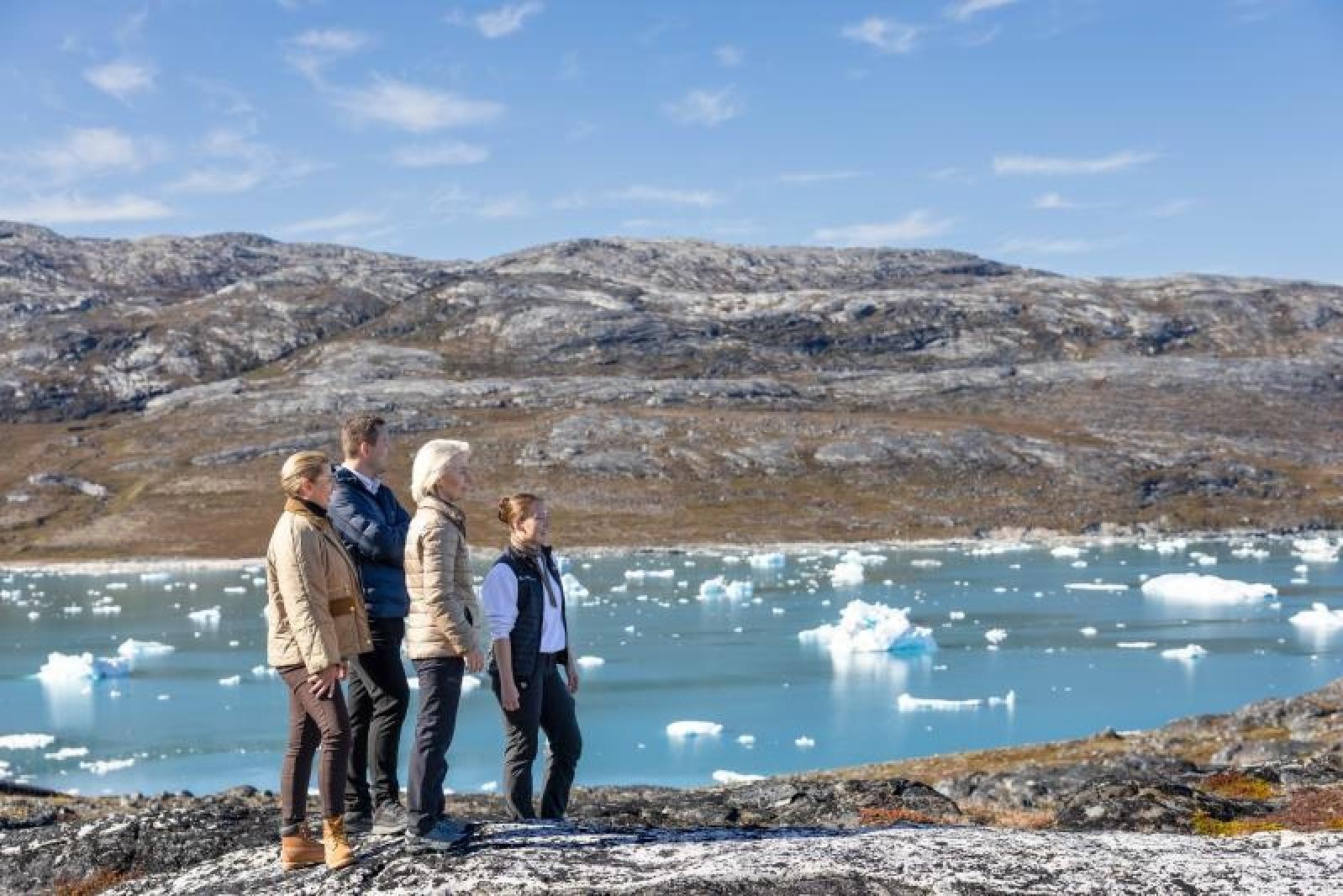
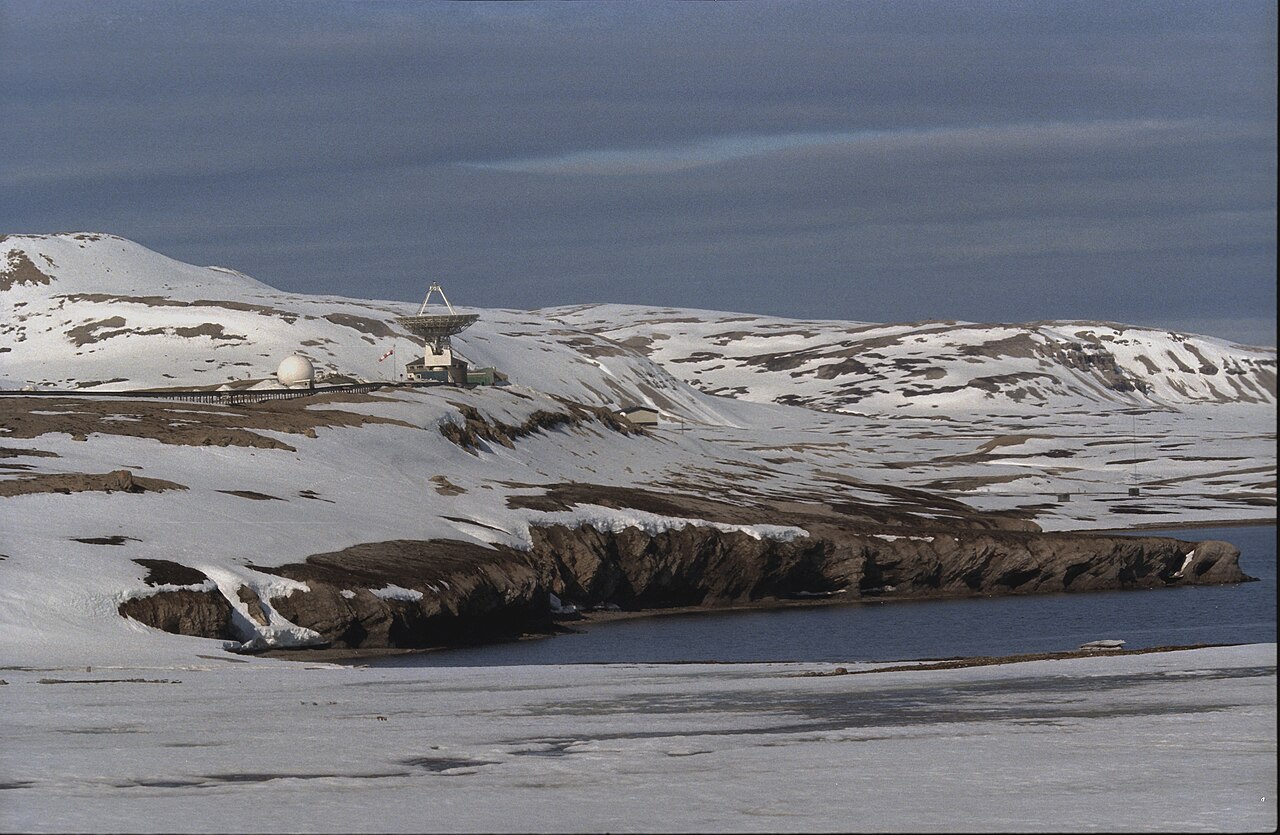
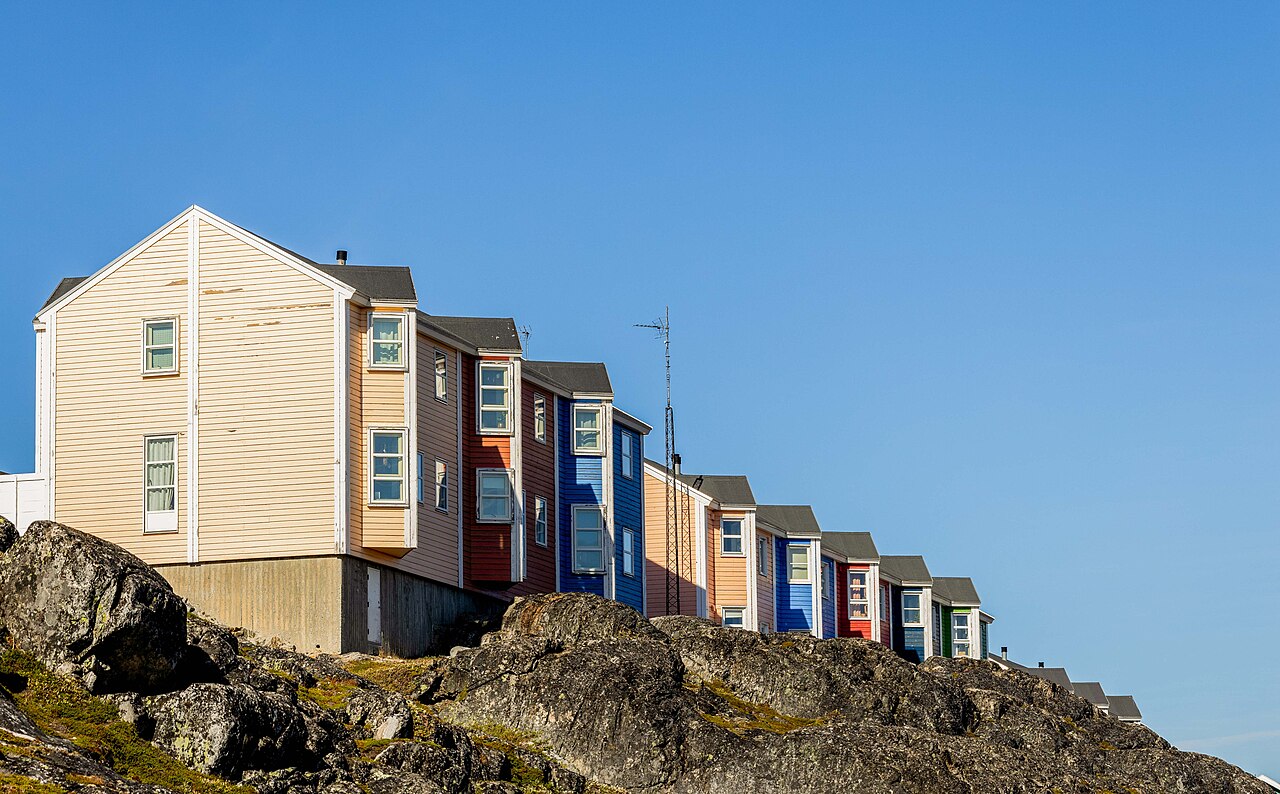
Photographs illustrate the subject; they do not document the strategy’s launch or new EU facilities. Images may be scaled or cropped for the layout. Adaptations of the Ny-Ålesund photograph retain CC BY-SA 3.0. European Commission reuse policy.