Wildlife, changing seasons and coastal communities: seven perspectives on the region behind the policy debates.
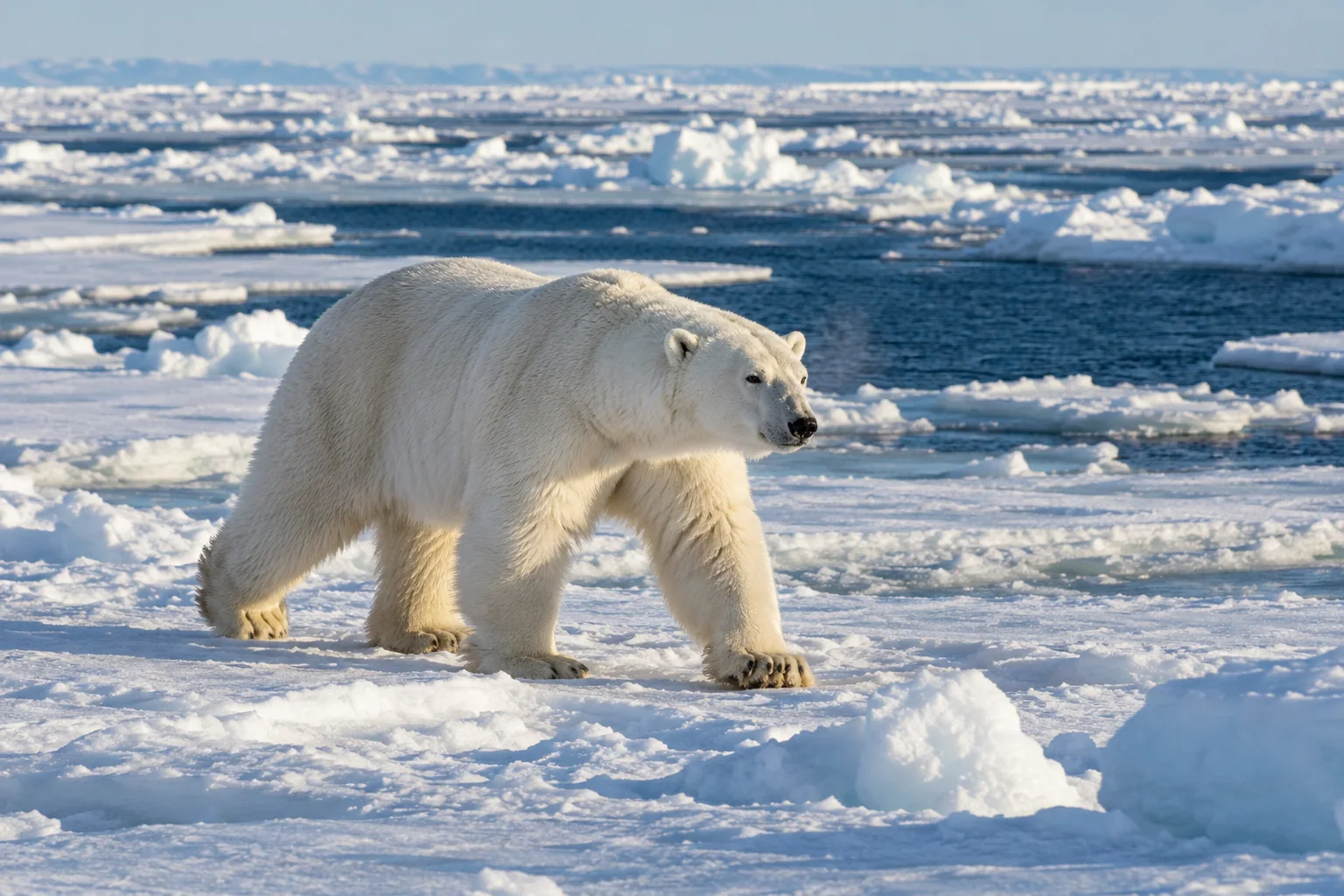
Polar bear
Polar bears use sea ice to travel and hunt seals. Their lives depend on the changing boundary between frozen ocean and open water. As sea ice retreats, access to food can become more difficult—a reminder of the close connection between Arctic wildlife and climate.
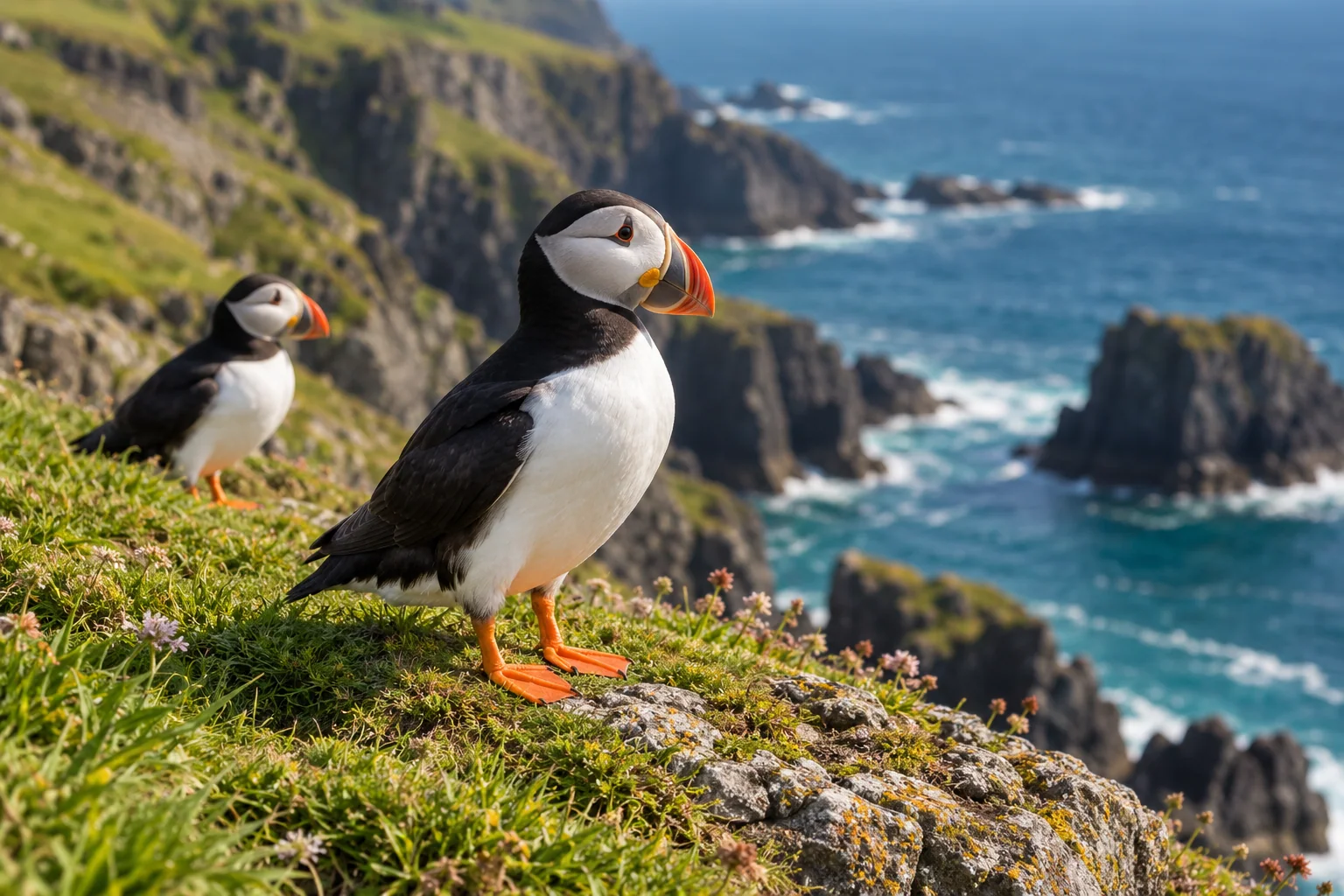
Atlantic puffins breed along the coasts of the North Atlantic, including parts of the Arctic. Their colourful bills and black-and-white plumage make them easy to recognise. In Svalbard, they nest in rock crevices and spaces between stones, bringing seabird life to the northern cliffs.
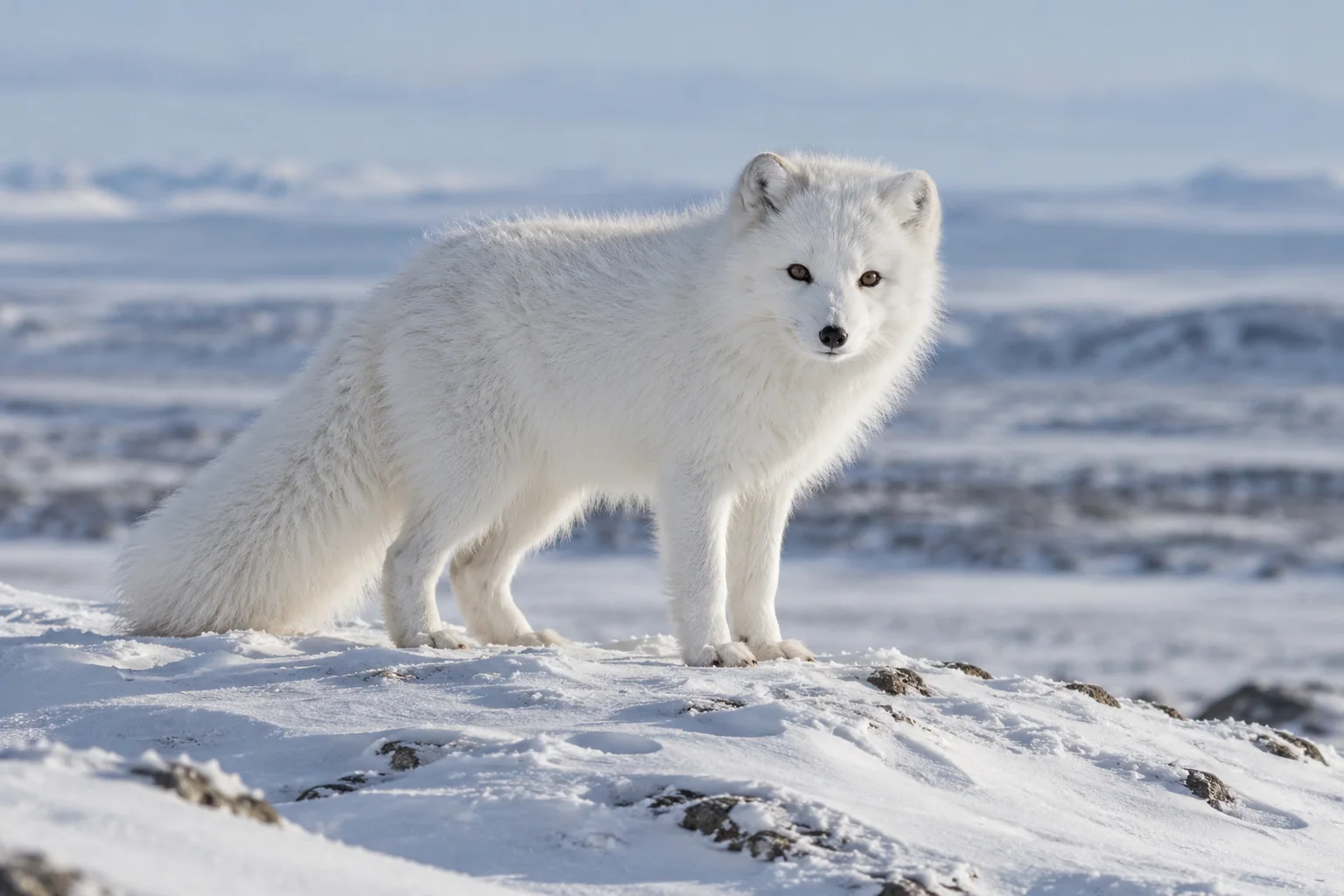
The Arctic fox inhabits tundra across the far north. Its dense winter coat helps it withstand the cold. The white colour form shown here develops a brown-grey coat in summer, while the blue colour form remains darker throughout the year.
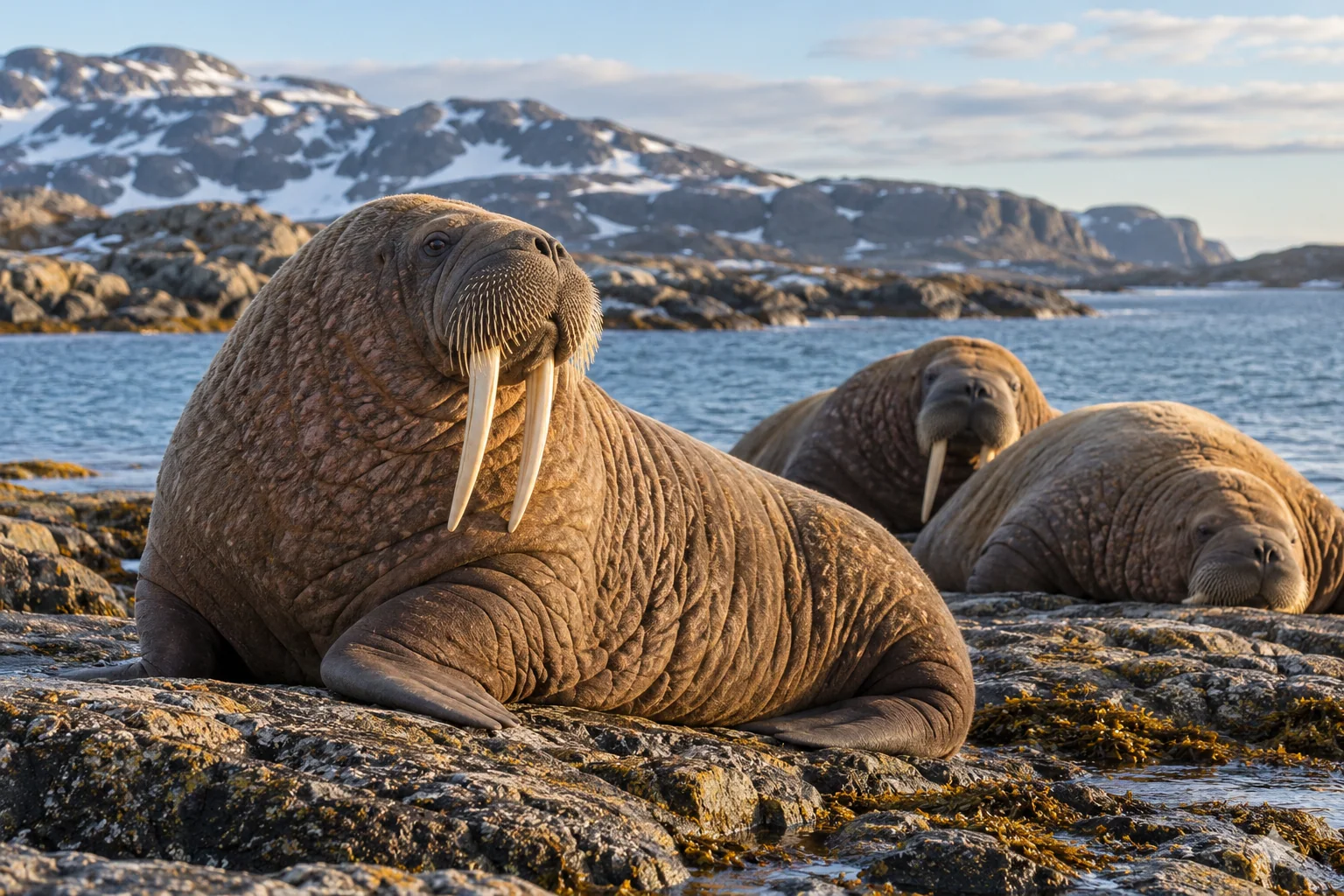
Walruses gather on sea ice and coastal resting sites between feeding trips. Their sensitive whiskers help them find clams on the seabed. Shallow feeding grounds and nearby places to rest are essential parts of their habitat, linking their lives to both ocean and shore.
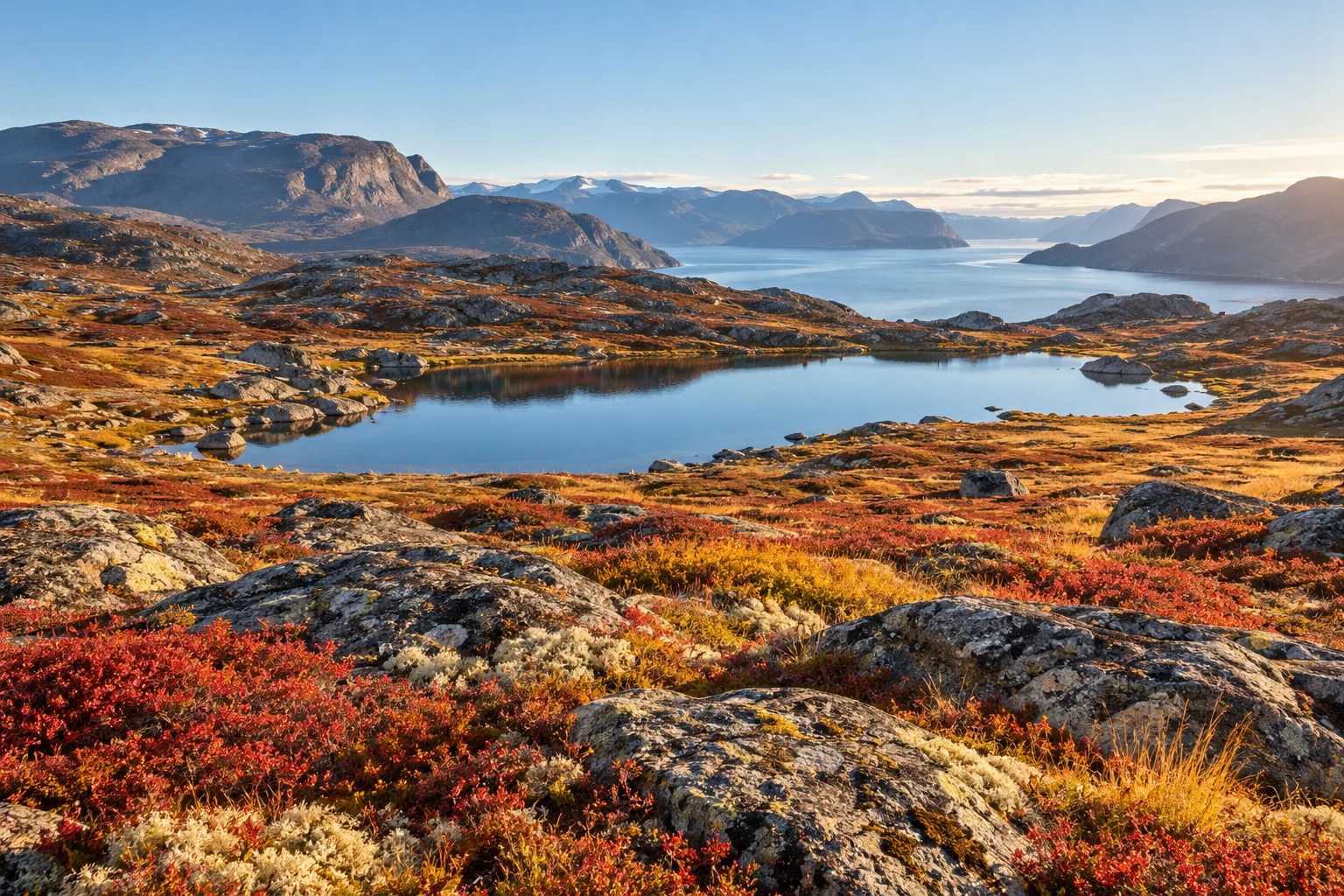
The Arctic also has a colourful autumn. In Northeast Greenland, the tundra can begin turning red and orange as early as August. This imagined landscape brings those seasonal colours together with lakes, mountains and a fjord, showing another side of a region often pictured only in snow.
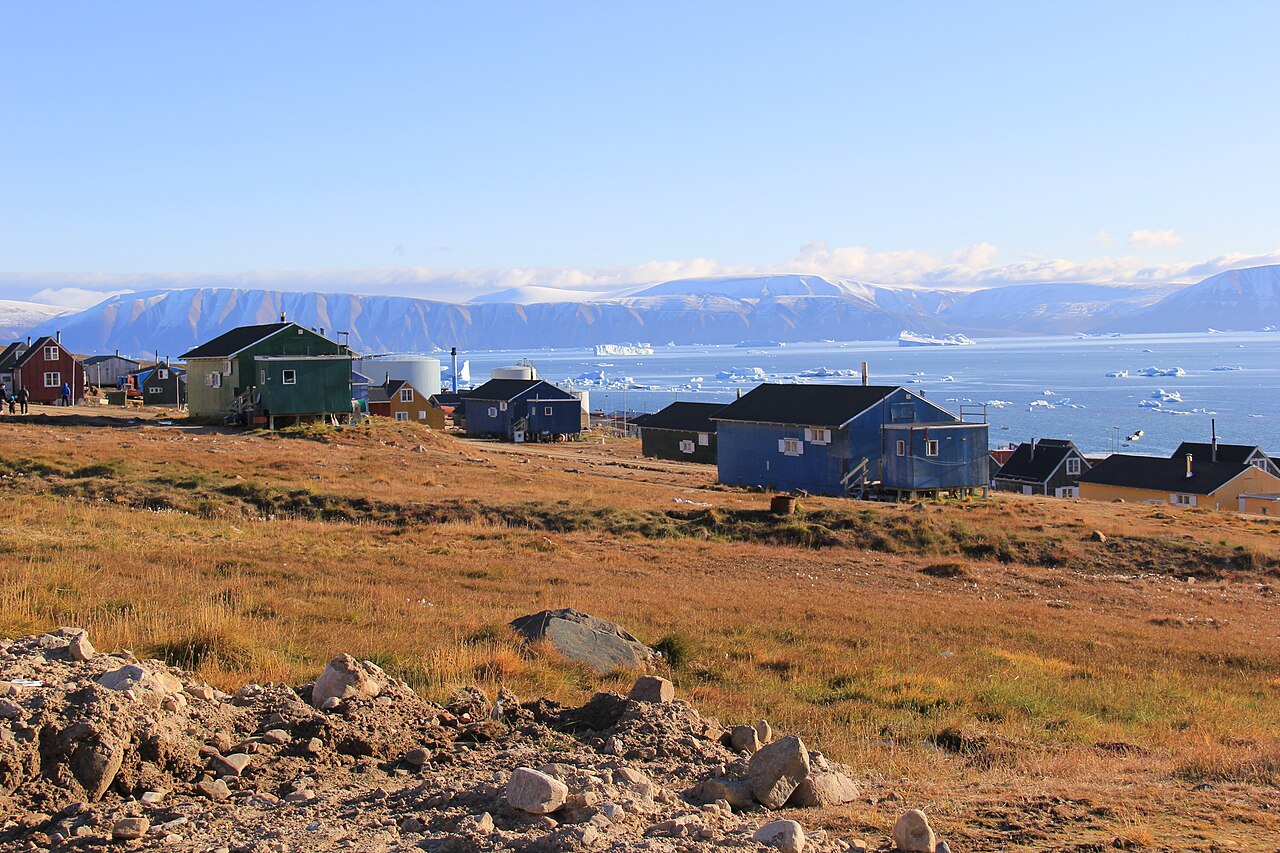
Qaanaaq lies in the far north of Greenland, where sea ice and the seasons shape travel and daily life. Boats, dog sleds and knowledge of local conditions remain important. This photograph, taken on 3 September 2014, shows a coastal community within that wider Arctic landscape.
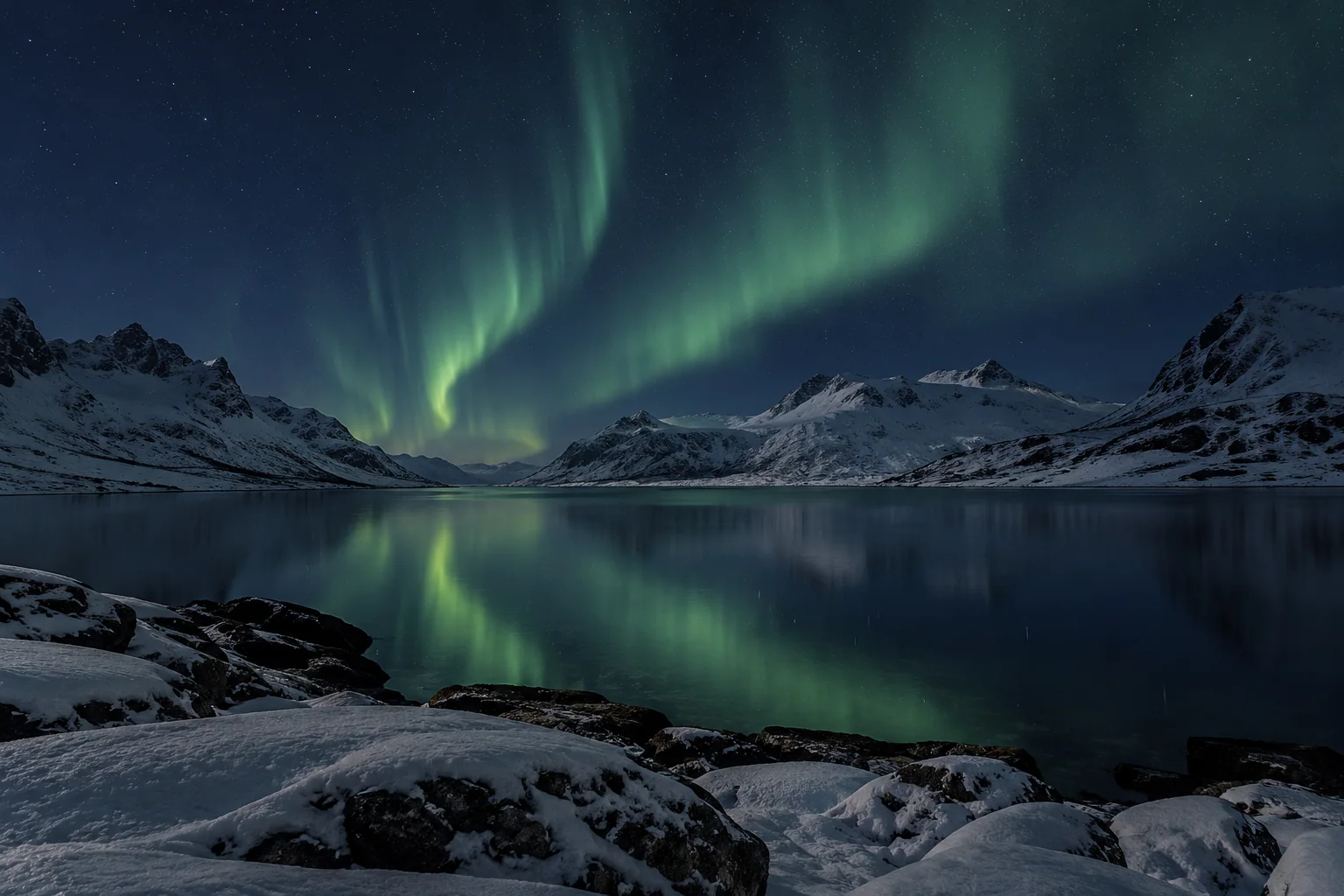
Northern lights form when energetic charged particles collide with gases high in the atmosphere, causing them to emit light. Earth’s magnetic field guides these particles towards the polar regions. Dark, clear skies make the display visible; the bright Arctic summer nights can hide it from view.
Northern lights: colour, darkness and space weather
Why green, pink and red?
Auroral colours depend on the gas and its altitude. Oxygen produces green light roughly 100–200 kilometres above Earth and red light higher up. Nitrogen contributes blue and pink tones. Their combination gives the sky its changing palette.
Look for dark, clear skies away from city lights. Long Arctic summer days can hide an aurora even when it is active. Activity often increases around the spring and autumn equinoxes, but local cloud cover and darkness still determine what you can see.
Auroras make space weather visible. The geomagnetic storms behind stronger displays can also disturb satellite navigation and induce currents in electricity grids. Understanding these effects connects polar science with the resilience of infrastructure.