Russia’s Invasion of Ukraine Opens the Door to the Arctic for China
Original title: Russlands Einmarsch in die Ukraine öffnet China die Tür in die Arktis
The war in Ukraine is forcing the West to adapt politically and militarily to new realities in its relations with Russia.
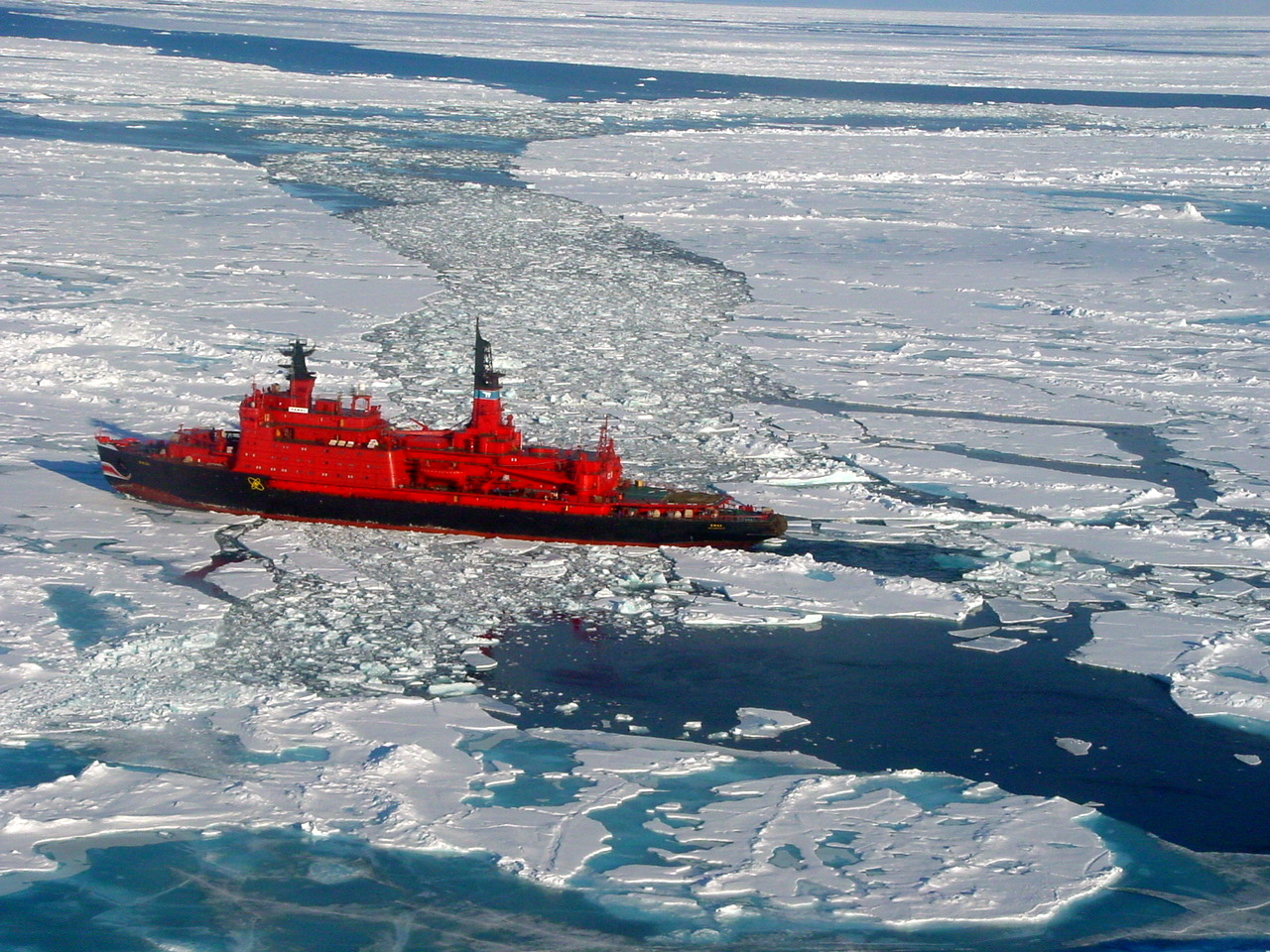
When two parties quarrel, a third usually benefits. That third party could now be China, which has not overlooked its opportunities in the Arctic. Far-reaching sanctions against Russia have had serious effects on its banking system, energy sector and access to key technologies. These countermeasures have effectively cut Russia off from the West and could force it to rely on China to avoid economic ruin. While Beijing would benefit in several ways, the United States cannot overlook the international security implications for the Northern Sea Route (NSR).
The Northern Sea Route
The NSR, also referred to as the Northeast Passage, runs along Russia’s Arctic coast and could develop into a primary maritime route connecting Asia and Europe. It saves almost 5,000 kilometres compared with the route through the Strait of Malacca and the Suez Canal. These savings are of a similar order to the additional voyage times caused by the grounding of the Ever Given, which significantly disrupted supply chains and economies across several continents. Russia can currently maintain NSR traffic for around nine months of the year, but has stated that its aim is to provide year-round access by 2024. Reliance on the NSR and other Arctic shipping routes will only increase as the High North warms. Even if Western sanctions threaten the NSR’s development, China is ready to capitalise on the situation.
China’s interest
China shows a clear economic and strategic interest in the Arctic. Economically, it seeks to benefit from trans-Arctic shipping routes and has launched the ‘Polar Silk Road’ initiative, setting out its ambitions to influence Arctic development. Strategically, China wants to expand its maritime influence as a near-peer power, even claiming to be a ‘near-Arctic state’ to justify its interests above 66°30′N. In November 2021, China announced plans to build a third icebreaker and other vessels tailored to support Russia’s Arctic developments. In February 2022, Presidents Xi Jinping and Vladimir Putin jointly declared their intention to ‘intensify’ Arctic cooperation.
Now that Moscow is weakened and ‘desperate’, Beijing could take advantage of Russia’s NSR. Although Russia owns more than 40 icebreakers, those currently planned or under construction, along with other necessary Arctic infrastructure, are likely to be jeopardised by Western sanctions. Russia will need more support from China to sustain the NSR and other national interests. China could then enjoy free use and potentially receive special privileges in return for supporting the route’s operation and maintenance. It is even possible that an increasingly isolated Russia could become so indebted and desperate for an Arctic ally that it cedes a small piece of Arctic territory to China, facilitating its admission to the Arctic Council. The two nations posing the greatest threat to the international rules-based order would become inseparable in the last maritime ‘theatre’.
Looking ahead
To keep pace with these realities and counter Russian and Chinese capabilities, the United States must improve cooperation with Arctic allies as well as its own capabilities. Of the eight Arctic nations, five are NATO members, and all except Russia are allies. The United States and its northern partners must increase their engagement and joint presence in the Arctic to prevent Russia and China from taking the lead in the High North. Second, the United States must continue expanding its own Arctic capabilities. Although the US Coast Guard has three heavy Polar Security Cutters on the way and long-term plans for three medium Arctic Security Cutters, the bottom line is that these numbers must increase and production must accelerate. Joint Coast Guard and Navy operational capabilities at high latitudes must expand. Finally, the United States needs to prepare and protect its own Arctic waters through research and investment in order to lead responsible Arctic development. As the United States and its allies adapt to the new global reality, Arctic engagement must be recalibrated and strengthened now more than ever.