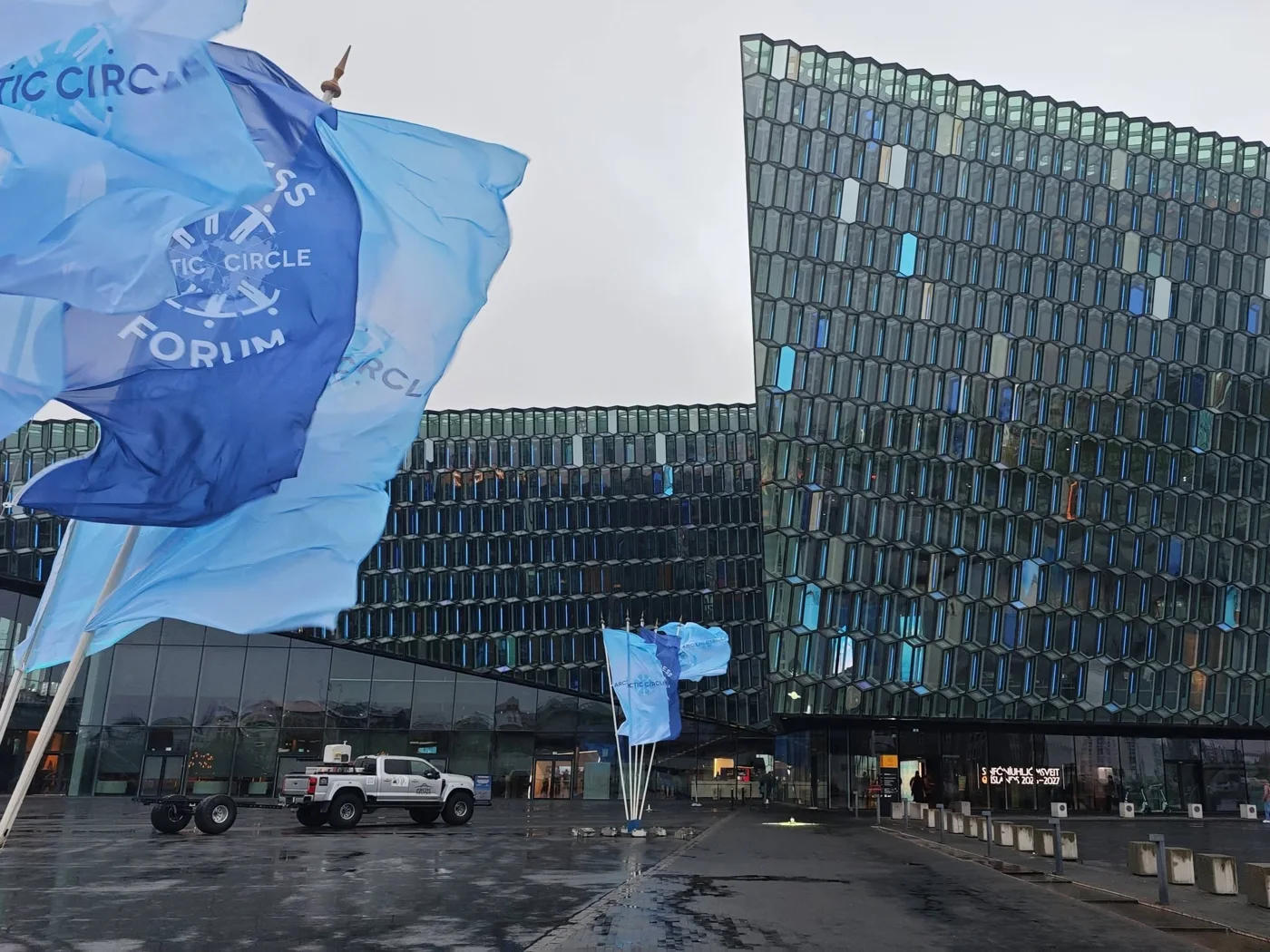
Poland has no Arctic coastline, but its involvement in the region reaches back generations. At the 2026 Arctic Circle Assembly, Polish researchers and diplomats brought that experience into discussions about the future of polar science, European engagement and international cooperation.
The gathering offered a useful view of the different strands of Poland’s Arctic presence: field research, scientific infrastructure, education and diplomacy. Seen together, they suggest a way to understand the country’s role through the knowledge and partnerships it contributes.
A research tradition with deep roots
Poland’s first national polar scientific expedition travelled to Bear Island in 1932–1933 under Czesław Centkiewicz. Further expeditions followed, including a scientific mission to Greenland led by Aleksander Kosiba in 1937. These journeys place today’s international discussions within a much longer history of Polish interest in the North.[1]
That engagement acquired a lasting physical base with the construction of the Hornsund station on Spitsbergen in 1957. Its history was not uninterrupted: periods of seasonal research and disuse followed the first expedition. Continuous year-round operation began in 1978, after substantial renovation.[2]
The station’s history describes an expanding programme of observations, from meteorology, seismology and the Earth’s magnetic field to glaciers and permafrost. This is an important part of the background to Poland’s presence at international forums: a research station provides the practical means to observe environmental change over time.[2]
The community behind the delegation
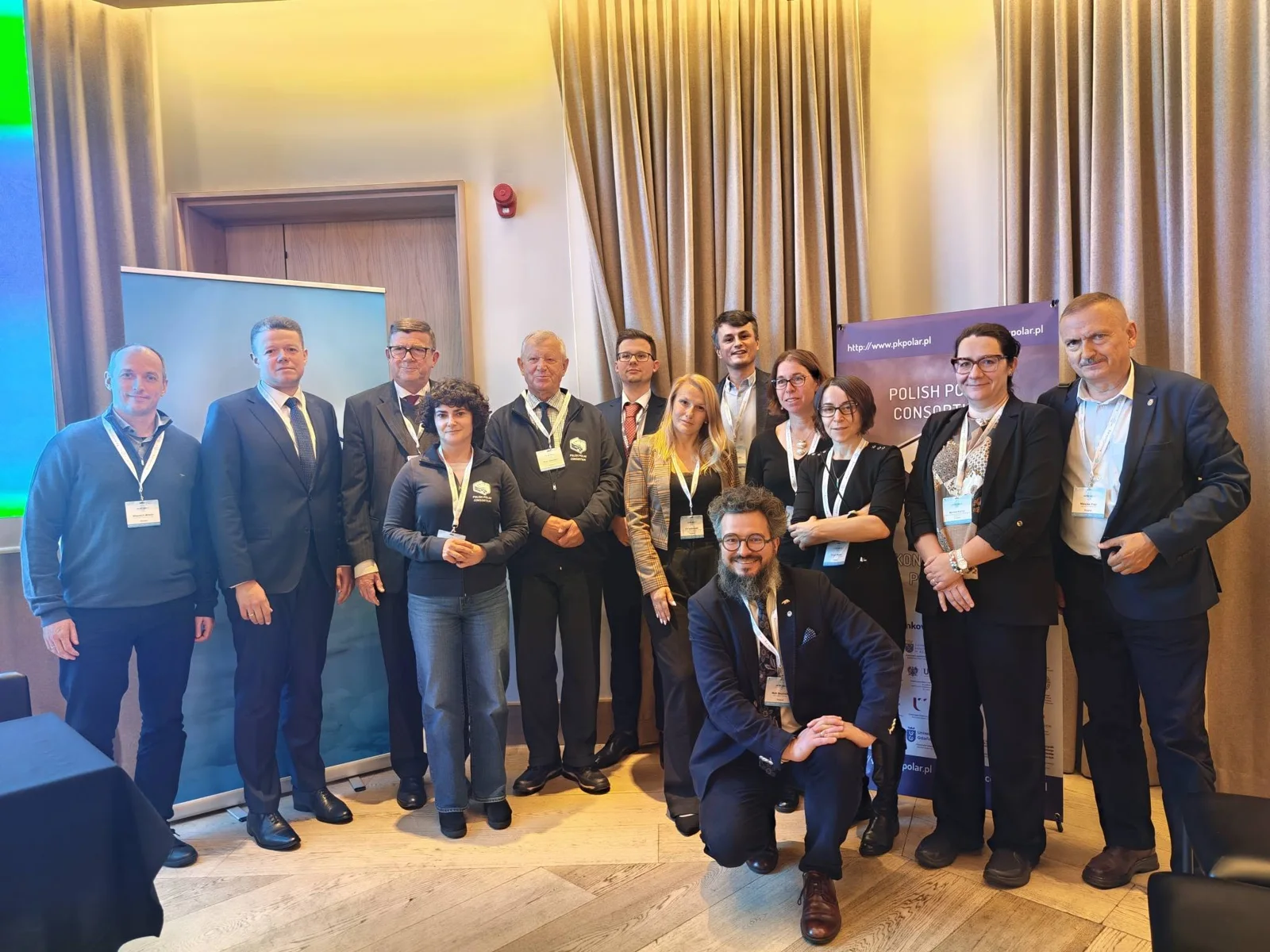
The Polish Polar Consortium is younger than the scientific tradition it represents. It began in 2012 as an agreement between twelve institutions preparing Arctic Science Summit Week in Kraków in 2013. The collaboration subsequently broadened, with an expanded consortium inaugurating its activities and electing its leadership in October 2014.[3]
Its website now lists 22 member institutions: fourteen universities, seven research institutes and one non-profit organisation. Its remit includes coordinating research priorities, supporting polar infrastructure, improving logistics and helping younger researchers. The Consortium gives this diverse community a shared platform for international cooperation.[4]
What the researchers brought to Reykjavík
The Polish roadmap session looked towards the Fifth International Polar Year in 2032–2033. According to the Institute of Geophysics of the Polish Academy of Sciences, discussions addressed infrastructure, Polish–Norwegian cooperation, research data and the preparation of a new generation of polar scientists.[5]
Bartłomiej Luks presented the development of LIQUIDICE, tracing how regional collaborations grew into an international consortium led by the Institute. Agata Goździk addressed the relationship between science, art and education, including how polar research can reach wider audiences and inspire future researchers.[5]
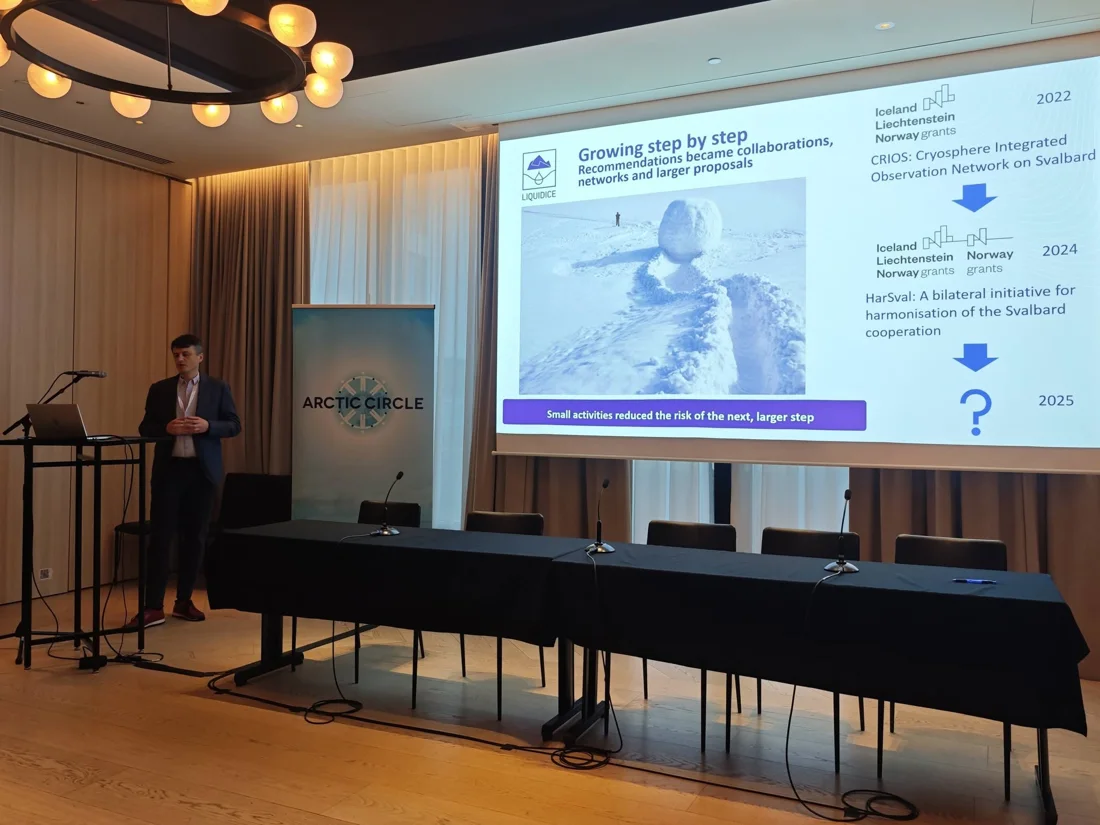
Warsaw University of Technology’s report adds another practical contribution: Kinga Węzka presented on harmonising data and scientific infrastructure in polar regions. This gives the story a concrete dimension. International cooperation depends partly on researchers being able to connect their observations, facilities and working methods.[6]
Where research meets diplomacy
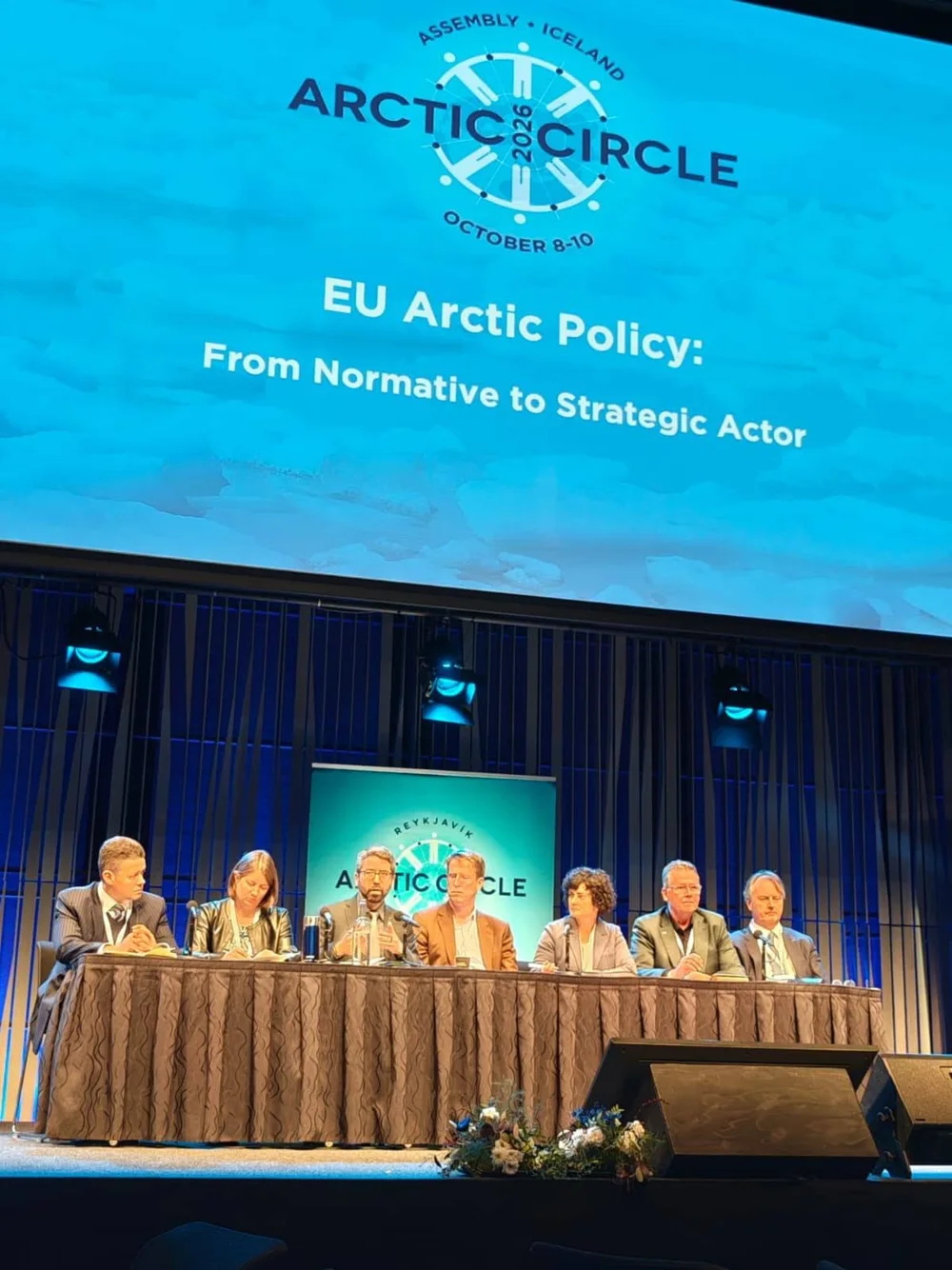
The Consortium also reports an EU Arctic policy panel co-organised with German and French partners, alongside a meeting at the Polish embassy about the use of scientific work in diplomacy. Bilateral consultations explored Polish–Greenlandic cooperation and the possibility of establishing a scientific observatory.[7]
There is an intriguing historical connection between those Greenland discussions and the expedition of 1937. It should be treated as context, rather than evidence that the proposed cooperation is a continuation of the earlier mission. The published conference account does not announce an agreed observatory project, its location or a timetable.[1, 7]
Poland’s diplomatic involvement also predates this Assembly. It has held Observer status in the Arctic Council since 1998. In 2010, it launched the Warsaw Format, a platform outside the Council’s formal structures through which Observer States could engage with its chairship.[8, 9]
Looking beyond the conference
These different activities make Poland’s participation worth examining beyond an account of who attended. Research stations, shared data and international projects provide tangible subjects for diplomatic cooperation. The political question is how effectively those connections can support sustained work.
The next milestones will be the development of the partnerships discussed in Reykjavík and preparations for the International Polar Year. Poland brings a long history to those conversations. What matters now is how that experience helps shape the research—and the relationships—still to come.